
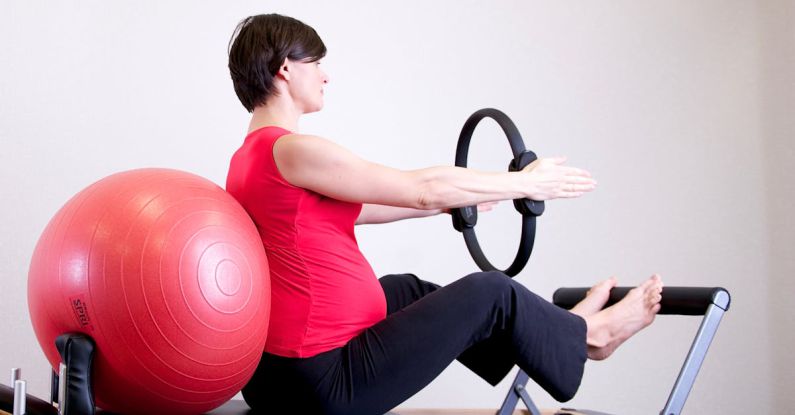
Pilates is a popular exercise method that has gained widespread recognition for its ability to improve both flexibility and strength simultaneously. Originally developed by Joseph Pilates in the early 20th century, this form of exercise focuses on controlled movements, proper alignment, and breath awareness to target specific muscle groups. Whether you are a seasoned athlete or just starting your fitness journey, incorporating Pilates into your routine can lead to remarkable improvements in your flexibility and strength.
**Enhanced Flexibility**
One of the key benefits of practicing Pilates is its profound impact on flexibility. The exercises in Pilates are designed to stretch and lengthen the muscles, leading to increased flexibility throughout the body. By focusing on proper alignment and controlled movements, Pilates helps to mobilize the joints and improve the range of motion. This enhanced flexibility not only allows for greater freedom of movement but also reduces the risk of injury during physical activities.
**Deeper Muscle Engagement**
Unlike traditional strength training exercises that often isolate specific muscle groups, Pilates emphasizes full-body engagement. By targeting the deep stabilizing muscles that support the spine and core, Pilates helps to build strength from the inside out. The slow and controlled movements in Pilates require a strong mind-body connection, which leads to improved muscle control and coordination. As a result, practitioners experience increased overall strength that translates into better posture and functional movement patterns.
**Core Strength**
A strong core is essential for maintaining proper posture, balance, and stability. Pilates places a strong emphasis on core strengthening exercises that target the abdominal muscles, obliques, and lower back. By engaging the core muscles in a dynamic and integrated manner, Pilates helps to improve core strength and stability, which is crucial for preventing back pain and enhancing athletic performance. A strong core also serves as the foundation for all movement, leading to better overall strength and efficiency in daily activities.
**Improved Posture**
Poor posture is a common issue that can result from sedentary lifestyles, muscle imbalances, and improper alignment. Pilates addresses these issues by focusing on alignment, balance, and body awareness. Through a series of exercises that target the postural muscles, Pilates helps to correct imbalances, strengthen weak muscles, and lengthen tight muscles. As a result, practitioners experience improved posture, reduced back pain, and increased body awareness. Good posture not only enhances physical appearance but also plays a crucial role in preventing injuries and promoting overall well-being.
**Mind-Body Connection**
In addition to physical benefits, Pilates also offers mental benefits through its emphasis on mindfulness and breath awareness. The mind-body connection cultivated in Pilates encourages practitioners to be present in the moment, focus on their breath, and connect with their body’s movements. This mindfulness not only enhances the effectiveness of the exercises but also promotes relaxation, stress reduction, and improved mental clarity. By incorporating mindful movement into your routine, you can experience a holistic approach to fitness that nurtures both your body and mind.
**Incorporating Pilates into Your Routine**
Whether you are looking to improve your flexibility, strengthen your core, or enhance your overall fitness level, Pilates offers a comprehensive workout that can benefit individuals of all ages and fitness levels. By practicing Pilates regularly, you can experience a wide range of physical and mental benefits that will improve your quality of life and enhance your performance in other activities. Embrace the mindful movement of Pilates and discover a new way to achieve flexibility, strength, and balance in both your body and mind.