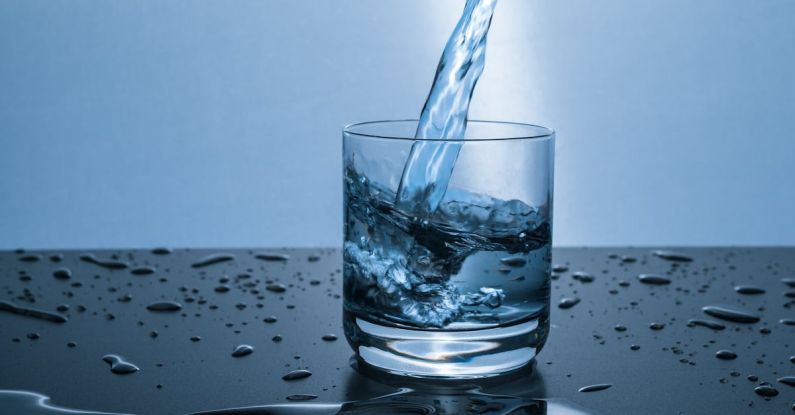
Staying properly hydrated is crucial for maintaining optimal fitness levels. Water is essential for various bodily functions, especially during physical activity. Dehydration can negatively impact performance and hinder progress in your fitness journey. Understanding the importance of hydration and its effects on your body can significantly improve your overall fitness experience.
**Hydration and Exercise Performance**
Hydration plays a key role in exercise performance. When you are dehydrated, your body has to work harder to perform the same tasks, leading to decreased endurance and strength. Even mild dehydration can impair physical performance, making it harder to push yourself during workouts. Proper hydration ensures that your muscles are functioning at their best, allowing you to perform at your peak.
**Regulating Body Temperature**
During exercise, your body temperature rises as you exert energy. Sweating is the body’s natural cooling mechanism to prevent overheating. However, when you are dehydrated, your body struggles to produce enough sweat to regulate temperature effectively. This can lead to overheating, which can be dangerous and impact your performance. Staying hydrated helps maintain proper body temperature, allowing you to exercise safely and efficiently.
**Muscle Function and Hydration**
Muscles are predominantly made up of water, and dehydration can affect their ability to contract and perform optimally. Inadequate hydration can lead to muscle cramps, fatigue, and weakness during exercise. By staying properly hydrated, you ensure that your muscles are functioning at their best, reducing the risk of injury and improving overall performance. Hydration is key to maintaining muscle function and supporting your fitness goals.
**Energy Levels and Hydration**
Dehydration can also impact your energy levels, making you feel fatigued and sluggish during workouts. Water is essential for transporting nutrients and oxygen to your cells, providing the energy needed for physical activity. When you are dehydrated, this process is disrupted, leading to decreased energy levels and reduced endurance. By staying hydrated, you can maintain optimal energy levels and power through your workouts with ease.
**Hydration for Recovery**
Proper hydration is essential for post-workout recovery. After exercise, your body needs water to repair muscle tissue, remove waste products, and replenish glycogen stores. Dehydration can delay the recovery process, leading to muscle soreness and fatigue. By hydrating adequately post-exercise, you can speed up recovery time and ensure that your body is ready for the next workout. Hydration is a crucial component of the recovery phase and can impact your overall fitness progress.
**Hydration Strategies for Fitness**
To maintain optimal hydration levels, it is essential to drink water throughout the day, especially before, during, and after exercise. Pay attention to your body’s cues and drink water when you feel thirsty. Additionally, consider factors such as temperature, humidity, and exercise intensity, as these can affect your fluid needs. Electrolyte-rich beverages can be beneficial for intense workouts to replenish lost minerals. Remember that individual hydration needs vary, so listen to your body and adjust your fluid intake accordingly.
**Conclusion: The Impact of Hydration on Fitness**
In conclusion, hydration plays a vital role in maintaining optimal fitness levels. Proper hydration is crucial for exercise performance, regulating body temperature, supporting muscle function, sustaining energy levels, and facilitating post-workout recovery. By prioritizing hydration and incorporating it into your fitness routine, you can enhance your overall performance, prevent dehydration-related issues, and maximize your fitness progress. Remember that staying hydrated is not only important during exercise but throughout the day to support your body’s functions and promote overall health. Make hydration a priority in your fitness journey and experience the benefits of improved performance and well-being.