Staying Hydrated for Peak Endurance Performance
Endurance training is a demanding activity that requires athletes to push their physical limits for extended periods. Whether you’re a long-distance runner, a cyclist, or a triathlete, building endurance is key to improving performance and achieving your fitness goals. While factors like training intensity, nutrition, and rest play essential roles in endurance training, one critical component that often goes overlooked is hydration. Hydration is not just about drinking water; it’s about maintaining the body’s fluid balance to support optimal performance and recovery. In this article, we will explore the vital role that hydration plays in endurance training and how staying properly hydrated can make a significant difference in your athletic performance.
The Importance of Hydration in Endurance Training
Hydration is crucial for overall health and well-being, but its significance is amplified during endurance training. When you engage in prolonged physical activity, your body loses water through sweat as it works to regulate temperature and keep your muscles functioning efficiently. Dehydration can lead to a range of performance-hindering issues, such as decreased energy levels, muscle cramps, and impaired cognitive function. To prevent these negative effects and maintain peak performance during endurance training, it is essential to prioritize proper hydration.
Hydration and Performance
Proper hydration is directly linked to athletic performance, especially in endurance activities where the body’s fluid levels are constantly being depleted. Dehydration of as little as 2% of your body weight can lead to a noticeable decline in performance, including reduced endurance, slower recovery, and increased perceived effort. By staying adequately hydrated before, during, and after your training sessions, you can help optimize your performance and achieve your fitness goals more effectively.
Fluid Balance and Electrolytes
In addition to water, maintaining a balance of electrolytes is essential for optimal hydration during endurance training. Electrolytes are minerals like sodium, potassium, and magnesium that play a critical role in regulating fluid balance, muscle function, and nerve signaling. When you sweat during intense exercise, you not only lose water but also electrolytes. Replenishing these electrolytes through hydration or sports drinks can help support proper muscle function, prevent cramping, and improve overall performance.
Timing and Quantity
Hydration is not just about drinking water; it’s also about when and how much you drink. Timing your fluid intake before, during, and after your workouts is crucial for maintaining optimal hydration levels. Pre-hydrating before exercise can help ensure that you start your training session in a well-hydrated state, while staying hydrated during your workout can help prevent dehydration and maintain performance. After exercise, rehydrating is essential for replenishing fluids lost during training and supporting the recovery process.
Practical Tips for Staying Hydrated
To support your endurance training goals, here are some practical tips to help you stay properly hydrated:
– Start your day with a glass of water to kickstart your hydration.
– Monitor your urine color throughout the day; pale yellow indicates proper hydration.
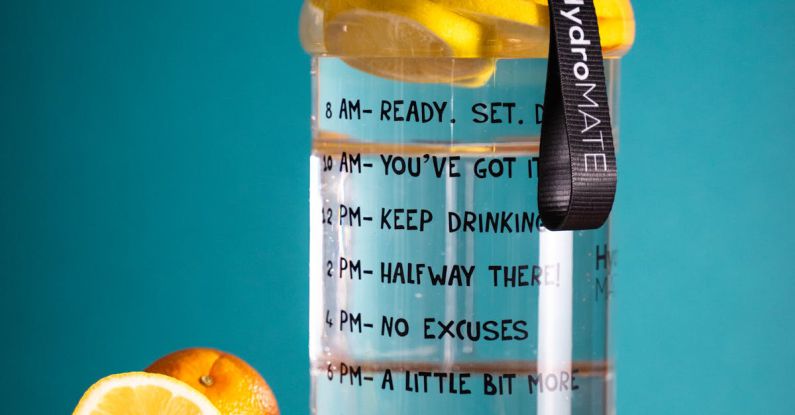
– Carry a reusable water bottle with you to ensure easy access to fluids.
– Drink water before, during, and after your training sessions to maintain fluid balance.
– Consider using sports drinks or electrolyte supplements for longer training sessions or in hot conditions.
– Pay attention to your body’s thirst cues and drink when you feel thirsty.
– Aim to consume fluids regularly throughout the day, not just during exercise.
Hydration and Recovery
Proper hydration is not only vital during exercise but also plays a crucial role in the recovery process. After a strenuous endurance training session, your body needs adequate fluids to help repair muscles, remove waste products, and replenish glycogen stores. By staying hydrated post-workout, you can support the recovery process, reduce muscle soreness, and prepare your body for the next training session.
Incorporating proper hydration practices into your endurance training routine is essential for maximizing performance, promoting recovery, and achieving your fitness goals. By prioritizing hydration and maintaining fluid balance, you can optimize your endurance training experience and set yourself up for success in your athletic pursuits. Remember, staying hydrated is not just a recommendation; it’s a critical component of peak performance.