
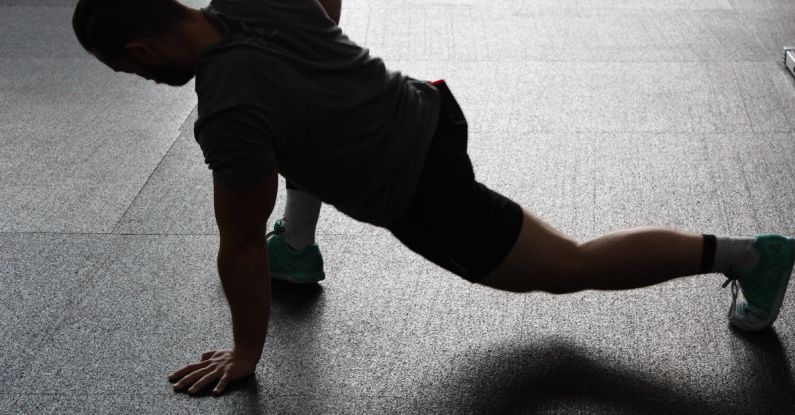
After a vigorous workout session, the body needs time to recover and repair from the stress it has endured. While rest and proper nutrition are crucial components of the post-workout recovery process, incorporating stretching into your routine can significantly aid in enhancing recovery and promoting overall well-being. Stretching is often overlooked or done hastily, but its benefits should not be underestimated. Let’s delve into how stretching can play a vital role in post-workout recovery and why you should make it a priority in your fitness regimen.
### Increased Blood Flow and Circulation
One of the key benefits of stretching post-workout is the improvement in blood flow and circulation throughout the body. When you engage in physical activity, your muscles contract and tighten. Stretching helps to elongate and relax these muscles, allowing for better blood flow to reach them. This increased circulation delivers essential nutrients and oxygen to the muscles, aiding in their repair and recovery process. Improved blood flow also helps in flushing out metabolic waste products that accumulate during exercise, reducing muscle soreness and stiffness.
### Reduced Muscle Soreness and Tightness
Muscle soreness, also known as delayed onset muscle soreness (DOMS), is a common occurrence after intense physical activity. Stretching can help alleviate this soreness by releasing tension in the muscles and promoting flexibility. When you stretch, you increase the range of motion in your joints and muscles, which can help prevent tightness and stiffness. Incorporating dynamic stretches that mimic the movements you performed during your workout can be particularly effective in reducing muscle soreness and maintaining flexibility.
### Enhanced Flexibility and Range of Motion
Flexibility is essential for overall physical health and performance. Regular stretching can improve your flexibility by lengthening the muscles and increasing their elasticity. This improved flexibility not only aids in preventing injuries but also enhances your range of motion. By increasing the range of motion in your joints, you can move more freely and efficiently, allowing for better performance in future workouts. Stretching post-workout when your muscles are warm can be particularly beneficial in enhancing flexibility and preventing muscle imbalances.
### Improved Mind-Body Connection
Stretching is not only beneficial for the body but also for the mind. Engaging in post-workout stretching can serve as a form of active recovery, allowing you to connect with your body and mind on a deeper level. Focusing on your breath and the sensations in your muscles during stretching can help calm the mind and reduce stress levels. This mind-body connection can aid in relaxation, promote mental clarity, and enhance overall well-being. By incorporating stretching into your post-workout routine, you can create a holistic approach to recovery that benefits both your body and mind.
### Injury Prevention and Rehabilitation
Injuries can be a setback in any fitness journey, hindering progress and causing frustration. Stretching plays a crucial role in injury prevention by improving flexibility, mobility, and muscle balance. By maintaining proper flexibility in your muscles and joints, you can reduce the risk of strains, sprains, and other common workout injuries. Additionally, for those recovering from an injury, stretching can aid in rehabilitation by promoting blood flow to the injured area, preventing muscle atrophy, and improving overall mobility.
### Incorporating Stretching Into Your Routine
To reap the benefits of stretching in post-workout recovery, it’s essential to incorporate it into your fitness routine consistently. Aim to spend at least 10-15 minutes stretching major muscle groups after each workout. Focus on both static stretches, where you hold a position for a period of time, and dynamic stretches that involve movement to prepare your body for the next activity. Listen to your body and stretch to the point of tension, not pain, to avoid injury.
### Embrace the Power of Stretching
In conclusion, stretching is a powerful tool that can aid in post-workout recovery by increasing blood flow, reducing muscle soreness, enhancing flexibility, improving the mind-body connection, preventing injuries, and promoting overall well-being. By making stretching a priority in your fitness regimen, you can help your body recover more efficiently, improve your performance, and enjoy a healthier and more balanced lifestyle. So, next time you finish your workout, don’t skip the stretching routine – your body will thank you for it in the long run.