Planning meals for optimal fitness is a crucial aspect of achieving your health and wellness goals. Whether you are looking to build muscle, lose weight, or simply maintain a healthy lifestyle, proper meal planning can make a significant difference in your overall fitness journey. By focusing on nutrient-dense foods and strategic meal timing, you can fuel your body for peak performance and recovery. Here’s how you can plan your meals to support your fitness goals effectively.
Set Your Goals
The first step in planning meals for optimal fitness is to define your goals. Are you looking to build muscle, improve endurance, or lose weight? Understanding your objectives will help you tailor your meal plan to meet your specific needs. For example, if you are trying to build muscle, you may need to increase your protein intake and consume more calories to support muscle growth. On the other hand, if your goal is weight loss, you may need to focus on portion control and include more whole foods in your diet.
Focus on Nutrient-Dense Foods
When planning your meals for optimal fitness, prioritize nutrient-dense foods that provide essential vitamins, minerals, and macronutrients. Include a variety of fruits and vegetables, whole grains, lean proteins, and healthy fats in your meals to ensure you are getting a well-rounded diet. These foods not only support your overall health but also provide the energy and nutrients your body needs to perform at its best during workouts.
Meal Timing and Frequency
In addition to choosing the right foods, meal timing and frequency play a crucial role in optimizing your fitness results. Aim to eat every 3-4 hours to keep your energy levels stable and prevent overeating later in the day. This approach can also help support muscle recovery and growth by providing your body with a steady supply of nutrients throughout the day. Additionally, consider timing your meals around your workouts to maximize performance and recovery. Consuming a combination of protein and carbohydrates before and after exercise can help fuel your workouts and promote muscle repair.
Preparation Is Key
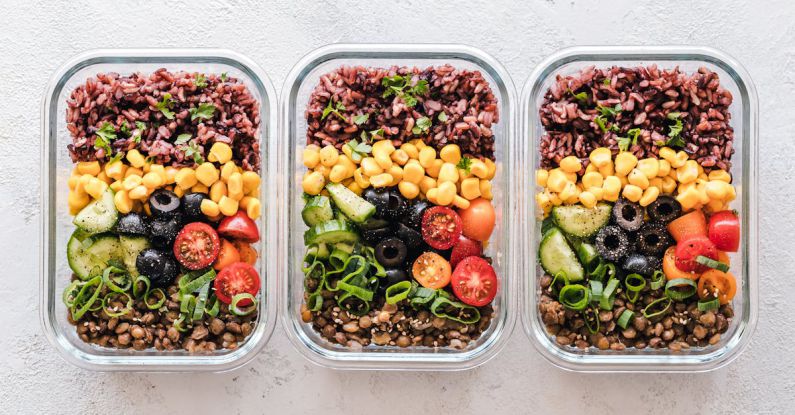
One of the most effective ways to ensure you stick to your meal plan is to prepare your meals in advance. Dedicate some time each week to meal prep, whether it’s cooking in bulk, chopping vegetables, or portioning out snacks. Having healthy meals and snacks readily available can prevent impulsive food choices and help you stay on track with your fitness goals. Consider investing in meal prep containers to make storing and transporting your meals easier.
Stay Hydrated
Proper hydration is essential for overall health and fitness. Water plays a vital role in regulating body temperature, transporting nutrients, and supporting digestion. Aim to drink at least 8-10 glasses of water per day, and adjust your intake based on your activity level and sweat loss. If you struggle to drink enough water throughout the day, consider carrying a reusable water bottle with you and setting reminders to stay hydrated.
Listen to Your Body
While planning your meals for optimal fitness is important, it’s also essential to listen to your body’s cues and adjust your plan as needed. Pay attention to how different foods make you feel and perform during workouts. If you notice you are lacking energy or feeling sluggish, consider adjusting your meal timing or nutrient intake. Experiment with different foods and meal timings to find what works best for your body and fitness goals.
Incorporate Variety and Flexibility
Maintaining a healthy diet for optimal fitness doesn’t have to be restrictive or boring. Incorporate a variety of foods into your meals to ensure you are getting a wide range of nutrients. Don’t be afraid to try new recipes or ingredients to keep your meals exciting and enjoyable. Additionally, allow yourself some flexibility in your meal plan to accommodate social events or cravings. Remember, consistency is key, but it’s also essential to find a balance that works for you in the long term.
Fuel Your Fitness Journey
By planning your meals strategically and focusing on nutrient-dense foods, you can fuel your fitness journey and support your health and wellness goals effectively. Remember to set clear objectives, prioritize whole foods, pay attention to meal timing, and prepare your meals in advance. Stay hydrated, listen to your body, and incorporate variety and flexibility into your meal plan to keep things interesting. With a well-thought-out meal plan in place, you can optimize your fitness performance and achieve the results you desire.