
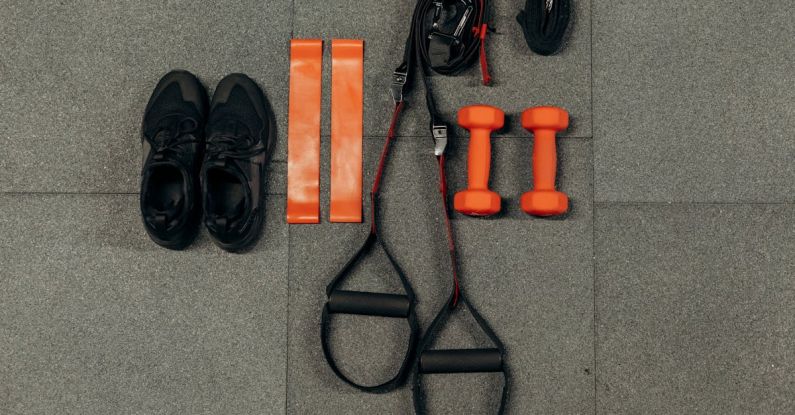
As the seasons change, so do our fitness needs and goals. Creating seasonal workout programs can help you stay motivated, challenge your body in new ways, and adapt to the changing weather and environment. Whether you are a seasoned athlete or just starting your fitness journey, designing workout routines that align with the seasons can enhance your overall well-being and keep your workouts exciting and effective. In this article, we will explore how to create seasonal workout programs that cater to your fitness level, goals, and the time of year.
**Understanding the Importance of Seasonal Workout Programs**
Seasonal workout programs take into account various factors such as temperature, daylight hours, outdoor conditions, and personal preferences. By tailoring your workouts to the season, you can optimize your performance, prevent burnout, and avoid plateaus in your fitness journey. For example, during the summer months, you may want to focus on outdoor activities like running, cycling, or swimming, while in the winter, you might shift towards indoor workouts such as weight training, yoga, or indoor cycling.
**Assessing Your Fitness Level and Goals**
Before creating a seasonal workout program, it’s essential to assess your current fitness level and establish clear fitness goals. Whether you aim to improve your endurance, build strength, lose weight, or enhance flexibility, understanding where you are starting from and where you want to go will help you design a workout plan that is both challenging and achievable. Consider factors such as your fitness history, any injuries or limitations, and what activities you enjoy doing to create a program that suits your needs and preferences.
**Designing Seasonal Workout Programs**
When designing a seasonal workout program, consider the following factors:
**1. Seasonal Activities:** Incorporate activities that are well-suited to the current season. For example, during the fall, you may include hiking, trail running, or outdoor boot camps, while in the spring, you might focus on interval training, outdoor yoga, or group fitness classes in the park.
**2. Variety and Progression:** Keep your workouts varied to prevent boredom and target different muscle groups. Progressively increase the intensity, duration, or complexity of your workouts to challenge your body and avoid hitting a plateau. Mix up cardio, strength training, flexibility exercises, and rest days to create a well-rounded program.
**3. Adaptation to Weather Conditions:** Be prepared to adapt your workouts based on the weather. In hot weather, stay hydrated, wear light clothing, and exercise during cooler times of the day. In cold weather, dress in layers, warm up properly, and consider indoor workout options if the weather is extreme.
**4. Listen to Your Body:** Pay attention to how your body responds to different workouts and adjust your program accordingly. If you feel fatigued, sore, or are experiencing pain, take a rest day or modify your workout to prevent injury and promote recovery.
**Maintaining Consistency and Flexibility**
Consistency is key to seeing results and reaching your fitness goals. However, it’s also important to be flexible and willing to adapt your workout program as needed. Life can be unpredictable, and factors such as work commitments, family responsibilities, or unexpected events may require you to modify your workouts. Be open to change, listen to your body, and prioritize your overall health and well-being.
**Incorporating Seasonal Nutrition and Recovery Strategies**
In addition to your workout program, consider incorporating seasonal nutrition and recovery strategies to support your fitness goals. Eating fresh, seasonal produce can provide essential nutrients and hydration, while proper rest, sleep, and recovery techniques can help your body repair and grow stronger. Experiment with different foods, recipes, and recovery methods to find what works best for you and complements your workout routine.
**Embracing the Seasons in Your Fitness Journey**
Creating seasonal workout programs can add a dynamic and engaging element to your fitness journey. By aligning your workouts with the changing seasons, you can stay motivated, challenge yourself, and enjoy the unique opportunities each season offers for outdoor and indoor activities. Whether you are training for a specific event, aiming to improve your overall health, or simply looking to have fun and stay active, designing seasonal workout programs can help you achieve your fitness goals and lead a healthy lifestyle year-round.