
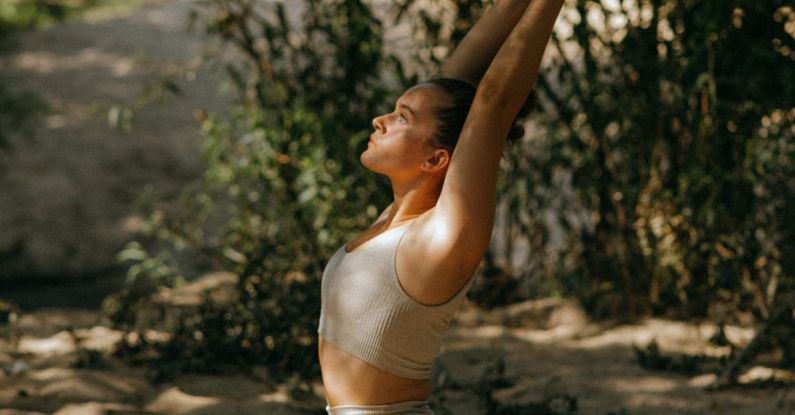
Yoga is a practice that offers numerous physical and mental benefits, one of which is improved flexibility. Flexibility is essential for maintaining a healthy range of motion in the joints and preventing injuries. By incorporating specific yoga poses into your practice, you can gradually increase your flexibility and mobility. In this article, we will explore some of the best yoga poses for enhancing flexibility.
### Downward-Facing Dog (Adho Mukha Svanasana)
Downward-Facing Dog is a foundational yoga pose that targets the hamstrings, calves, shoulders, and spine. To perform this pose, start in a tabletop position and lift your hips toward the ceiling, forming an inverted V shape with your body. Press your hands into the mat and actively engage your core to lengthen the spine. Downward-Facing Dog is an excellent pose for stretching the entire back body and improving overall flexibility.
### Forward Fold (Uttanasana)
Forward Fold is a classic yoga pose that stretches the hamstrings, calves, and spine. From a standing position, hinge at the hips and fold forward, bringing your hands toward the floor or your shins. Keep a slight bend in the knees if necessary to protect your lower back. Forward Fold is a gentle stretch that can help release tension in the back of the legs and improve flexibility in the spine.
### Pigeon Pose (Eka Pada Rajakapotasana)
Pigeon Pose is a deep hip opener that targets the hip flexors, glutes, and piriformis muscles. From a high plank position, bring one knee toward the same-side wrist and extend the opposite leg behind you. Lower your hips toward the mat and square your hips as much as possible. Pigeon Pose is an effective way to increase flexibility in the hips and improve mobility in the lower body.
### Cobra Pose (Bhujangasana)
Cobra Pose is a backbend that stretches the front body, including the chest, shoulders, and abdominals. Lie on your stomach with your hands under your shoulders and elbows hugging your ribcage. Press into your hands to lift your chest off the mat, keeping your elbows close to your body. Cobra Pose is a gentle backbend that can help improve flexibility in the spine and strengthen the muscles along the back body.
### Seated Forward Bend (Paschimottanasana)
Seated Forward Bend is a seated stretch that targets the hamstrings, lower back, and spine. Sit on the floor with your legs extended in front of you and hinge at the hips to fold forward. Reach for your toes or ankles, keeping your spine long and chest lifted. Seated Forward Bend is a calming pose that can help release tension in the back body and improve flexibility in the hamstrings.
### Bridge Pose (Setu Bandhasana)
Bridge Pose is a backbend that stretches the chest, neck, and spine while also engaging the glutes and hamstrings. Lie on your back with your knees bent and feet hip-width apart. Press into your feet to lift your hips toward the ceiling, engaging your core and squeezing your glutes. Bridge Pose is an effective way to increase flexibility in the spine and open up the front body.
### Tree Pose (Vrksasana)
Tree Pose is a balancing pose that strengthens the legs and core while also improving balance and flexibility. Stand on one leg and place the sole of the other foot on the inner thigh or calf, avoiding the knee joint. Bring your hands to heart center or extend them overhead. Tree Pose challenges your stability and helps improve flexibility in the hips and ankles.
### Extended Triangle Pose (Utthita Trikonasana)
Extended Triangle Pose is a standing pose that stretches the hamstrings, hips, and side body. From a wide-legged stance, hinge at the hips and reach one hand toward the floor and the other hand toward the ceiling. Keep your legs straight and engage your core to maintain stability. Extended Triangle Pose is a powerful stretch that can help improve flexibility in the legs and torso.
Incorporating these yoga poses into your practice can help enhance your flexibility and mobility over time. Remember to listen to your body and modify the poses as needed to suit your individual needs and abilities. By consistently practicing these poses, you can gradually increase your range of motion, prevent injuries, and experience the many benefits of a more flexible body. Start incorporating these poses into your yoga routine and watch as your flexibility improves with each practice.