High-Intensity Interval Training (HIIT) has gained popularity for its efficient and effective workout routines that deliver impressive results in a short amount of time. Combining bursts of intense exercise with periods of rest or low-intensity recovery, HIIT workouts challenge the body and push individuals to their limits. While the focus is often on the exercise aspect of HIIT, the role of nutrition in supporting these intense workouts is equally crucial. Proper nutrition plays a significant role in maximizing the benefits of HIIT, helping individuals perform at their best, recover faster, and achieve their fitness goals.
Fueling Your Workouts
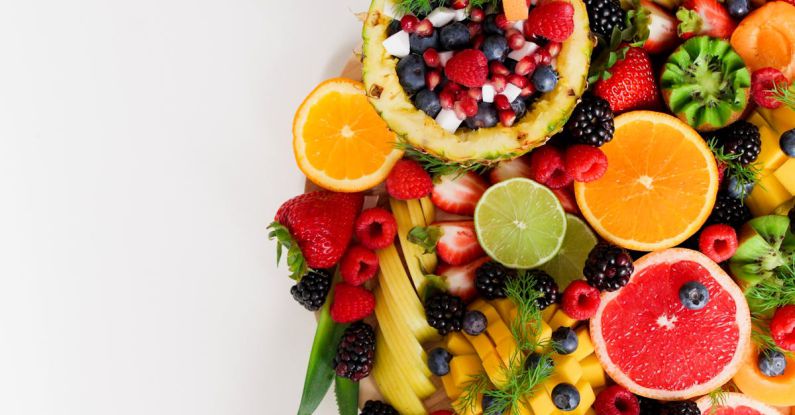
Before diving into a HIIT session, it’s essential to fuel your body with the right nutrients to optimize performance. Carbohydrates are the body’s primary source of energy, making them essential for high-intensity exercise. Consuming complex carbohydrates such as whole grains, fruits, and vegetables before a HIIT workout can provide the necessary energy to power through the intense intervals. Additionally, including a moderate amount of protein in your pre-workout meal can help support muscle repair and growth during and after the workout.
Hydration is another critical aspect of pre-workout nutrition. Staying hydrated before, during, and after a HIIT session is essential for maintaining performance and preventing dehydration. Water is the best choice for hydration, but for longer or more intense workouts, electrolyte-rich beverages can help replenish lost fluids and minerals.
Recovery and Replenishment
After a challenging HIIT workout, the body needs proper nutrition to recover and repair muscle tissue. Consuming a balanced post-workout meal that includes a combination of protein and carbohydrates can help replenish glycogen stores, repair muscle damage, and promote recovery. Protein is particularly important for muscle repair and growth, so including a high-quality protein source such as lean meats, eggs, or plant-based proteins is essential.
In addition to macronutrients, micronutrients also play a crucial role in supporting recovery after HIIT workouts. Vitamins and minerals such as vitamin C, vitamin E, zinc, and magnesium are involved in various processes that help reduce inflammation, support immune function, and aid in muscle recovery. Including a variety of fruits, vegetables, nuts, and seeds in your post-workout meals can help ensure you’re getting a good mix of these essential nutrients.
Timing Is Key
The timing of your meals and snacks can also impact your performance and recovery from HIIT workouts. Eating a balanced meal or snack containing protein and carbohydrates within 1-2 hours before your workout can provide the necessary energy to fuel your session. After the workout, aim to consume a post-workout meal or snack within 30-60 minutes to optimize recovery and replenish glycogen stores.
Incorporating HIIT-Friendly Foods
While the focus is on macronutrients and timing, it’s also essential to consider the quality of the foods you’re consuming to support your HIIT workouts. Opting for whole, nutrient-dense foods such as lean proteins, whole grains, fruits, vegetables, and healthy fats can provide the essential nutrients your body needs to perform at its best. Processed foods high in sugar, unhealthy fats, and artificial ingredients can hinder your performance and recovery, so it’s best to limit these foods in your diet.
The Mind-Body Connection
In addition to physical nourishment, mental and emotional well-being also play a significant role in supporting HIIT workouts. Stress, lack of sleep, and negative thought patterns can impact your energy levels, motivation, and overall performance during exercise. Practicing mindfulness, getting an adequate amount of sleep, and managing stress through techniques such as meditation or yoga can help optimize your mental state and support your physical efforts during HIIT workouts.
Fueling Your Success
By understanding the role of nutrition in supporting HIIT workouts and implementing the right strategies, you can maximize the benefits of these intense training sessions. From fueling your workouts with the right nutrients to prioritizing recovery and replenishment, nutrition plays a crucial role in helping you perform at your best, recover faster, and achieve your fitness goals. Remember, it’s not just about the exercise – what you eat and how you nourish your body also play a significant role in your success with HIIT.